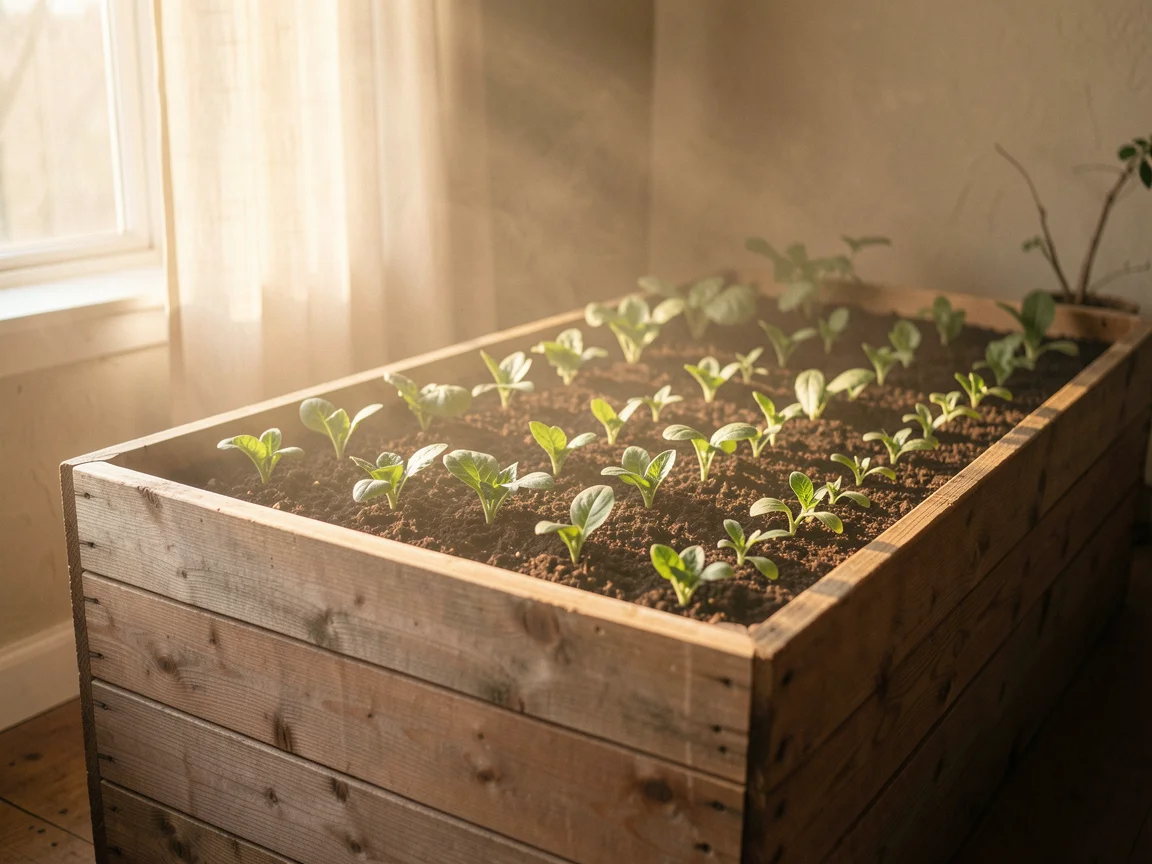
The seed catalog arrives in January with a photograph of slicing tomatoes on the cover. Outside, our tomato plants are doing the same thing, and the lettuce is at its sweetest. The catalog says to sow after the last frost. We are already harvesting. Most planting calendars are written for a place with four seasons, and South Florida does not have four. We have a long cool season and a long hot one, and the useful planting year starts in October.
Quick answer. Treat October as your spring and April as the start of the heat season. Set out tomatoes and peppers in October, and sow greens and root crops from October through January. Switch to okra, sweet potatoes, and southern peas in April, and leave July and August for soil work instead of seed starting.
Two seasons, not four
Zone 10b bottoms out at 35 to 40F on the coldest night of an average year. Zone 10a, mostly inland, runs 30 to 35F. Frost is rare and brief, and the coast can go years without any. That does not make us tropical. It makes our cool season long and mild, which is a different thing.
The line between seasons is night temperature. Cool-season vegetables do their best work when nights sit between 55 and 70F. Tomatoes stop setting fruit when nights stay above 75F, which happens in June and lasts until September. Lettuce turns bitter and bolts at about the same point. The calendar here is not about frost dates. It is about a five-month stretch of nights that never cool down.
Three dates matter more than any frost chart:
- The first cool front, often around October 15. This is your spring planting date.
- The last cold snap, usually late January inland and earlier at the coast. Tender starts can go out after this.
- The summer wall, about June 1, when nights stop dropping below 75F.
Write those on a calendar and ignore the last frost date on the packet.
October through December: plant like it’s spring
October is the busiest month, and it feels like cheating. While the rest of the country is pulling tomato cages, we are setting them out.
Start tomato and pepper seed indoors in late August or early September, then transplant from late September through October. ‘Solar Fire’ sets fruit in heat. ‘Garden Gem’ has better flavor than most supermarket tomatoes, and it comes from the University of Florida breeding program. Cherry types such as ‘Sun Gold’ keep producing when the big slicers quit. Peppers go in at the same time. ‘Sweet Banana’ is reliable, and ‘Datil’ is the hot pepper St. Augustine has grown for a century.
Direct sow the cool-season crops from October 1 through the end of January:
- Lettuce: ‘Little Gem’ and ‘Buttercrunch’, sown every two to three weeks for a steady cut.
- Kale and collards: ‘Red Russian’ and ‘Georgia Southern’. Both shrug off a 38F night.
- Root crops: ‘Danvers 126’ carrots, ‘Detroit Dark Red’ beets, ‘French Breakfast’ radishes. Carrots want 10 to 12 inches of loose soil, so screen out the rocks and mix in compost.
- Herbs: cilantro, dill, and parsley. Cilantro planted in September bolts by Thanksgiving, so wait until the nights cool.
Radish and dill seed are in our Heirloom Kitchen Garden Seed Set, along with ‘Matt’s Wild’ cherry tomato. Basil is the exception. It blackens at 45F and sulks through December. Wait until March.
January through March: harvest and the last cool crops
By January the garden is producing, and the main job is picking before things pass their peak. Lettuce left too long sends up a stalk. Broccoli left too long opens yellow flowers. Pick every other day.
January is the last good month for carrots and beets. Get them in by mid-month to size up before the soil warms. February is for one more round of bush beans, and for tomato transplants if you want a late spring crop. It is a gamble. Some years it works, and some years the heat arrives in April and the fruit never sets.
March is transitional. The nights are still in the 60s, which is comfortable for lettuce and uncomfortable for us. Sow a final round of greens early in the month. Start sweet potato slips indoors. Watch the ten-day forecast before setting out anything tender.
April through June: hand the garden to the heat crops
April is when the cool-season garden ends. Lettuce turns bitter and cilantro goes to seed. The last cabbage heads split. Do not fight it. Pull the spent plants and plant the crops that actually like 90F days.
- Okra: ‘Clemson Spineless’ sown from March through July. Pods are ready about 55 days after sowing, and they need picking every other day or they turn woody.
- Southern peas: ‘Purple Hull Pinkeye’ or black-eyed peas, sown April through August. They fix nitrogen, tolerate poor sand, and finish in 60 to 70 days.
- Sweet potatoes: slips go in May and June. They need 90 to 110 days and a bed that does not stay wet.
- Seminole pumpkin: a real cultivar, not a marketing name. Plant in March or April and give the vines 20 feet. The fruit is ready when the stem corks and the rind resists a thumbnail.
Basil, lemongrass, and hot peppers settle in for the summer. Tomatoes are the heartbreak. Most slicers stop setting fruit once nights stay above 75F, so a June planting is mostly an exercise in watering. Cherry tomatoes are the exception, and even they slow down in August.
July and August: the gap months
These are the two months when new gardeners quit. The beds are hot and the mosquitoes are worse. Every seed packet you open seems to fail. It is not you. Soil at two inches can sit at 95F or higher in an uncovered bed, and lettuce seed will not germinate at that temperature. Tomato pollen fails above 90F. Young seedlings rot at the soil line in the humidity.
What not to sow in July and August: tomatoes, peppers, lettuce, spinach, cilantro, and anything that expects a cool night. Wait.
What to do instead:
- Solarize an empty bed. Water it, cover it with clear plastic, and leave it in full sun for four to six weeks. The soil underneath gets hot enough to cook weed seed near the surface and knock back soil pests.
- Pull summer weeds before they set seed. A Hand-Forged Weeding Fork works better than a trowel in our sand.
- Repair irrigation and sharpen pruners. Both jobs get skipped in October.
- Start fall tomato seed in late August, indoors, where the air conditioning keeps the soil at a usable temperature. A Coco Coir Seed Starter Kit on a shelf is enough to get six weeks of growth before transplant.
By the end of August, the light is already shifting. The first cool front is still six or eight weeks out, but the planning starts now.
This week’s small task
- Write October 15 and January 31 on next year’s calendar, then count back eight weeks from October 15 and mark “start tomato seed.”
- Sow a 12-inch pot of ‘Little Gem’ lettuce and set it where it gets morning sun and afternoon shade.
- Check the overnight forecast. If it will drop below 45F, move basil and any tropical pots against the south wall of the house.